
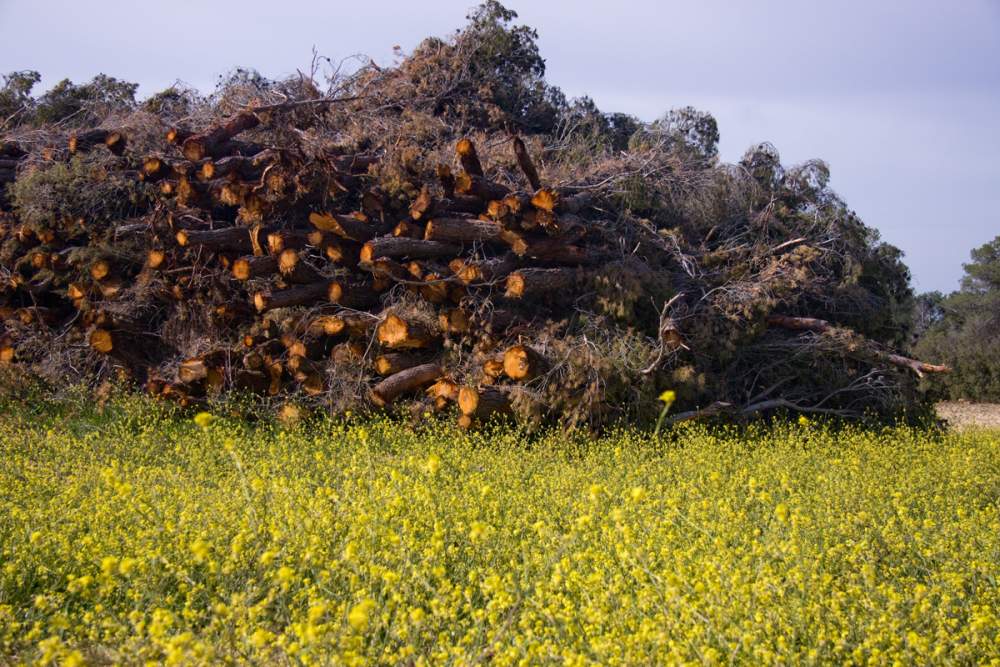
In a press release related to the publication of the report on November 2, the World Biomass Association states that The dynamics of the markets themselves ensure that only low-value wood is used to obtain bioenergy. in a sustainable manner and warns of potential environmental risks if arbitrary criteria are introduced for the use of raw materials.
In the newly published special report, «The risks of regulatory intervention in bioenergy feedstock markets» (The risks of regulatory intervention in bioenergy raw material markets), Undesirable consequences and problems that can arise when the use of "whole trees" for bioenergy is explicitly prohibited are described.
The report examines timber flows that have been active for decades, in some cases for more than a century, prior to the development of the bioenergy industry, and observes that they are very efficient market systems in which resources are ultimately allocated to the most appropriate end use.
The authors of the report emphasize that Wood should be classified in terms of value, and not according to physical attributes such as size or diameter. The term “whole tree” can be used with equal precision to describe both a small seedling and a mature tree. Furthermore, not all trees above a certain size are therefore of high value, a concept the authors argue is mistakenly assumed in this case.
Christian Rakos, president of the WBA, emphasizes that “The use of low-value wood is a sustainable practice that supports forest growth and the replacement of fossil fuels.”.
Fountain: